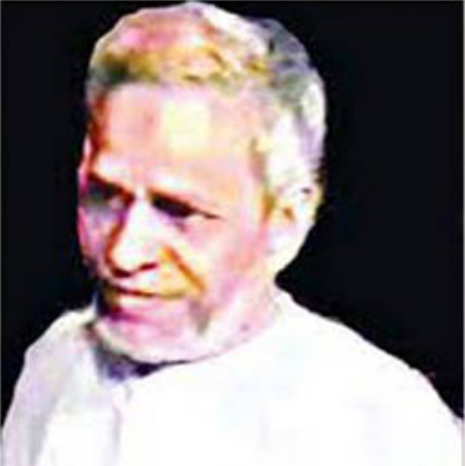
Jamaluddin Ahmed Chowdhury
1955 – August 17, 2003
Businessman • Grassroots Political Leader • Community Figure in Anwara
A Life of Service
Before his name became part of court records and forensic reports, Jamaluddin Ahmed Chowdhury was widely known as a businessman and community intermediary. Local reporting and statements describe him as financially supportive of education, involved in dispute mediation, and deeply embedded in grassroots political activity.
On the evening of July 24, 2003, he left his Chawkbazar business premises after meeting the team to return to his residence in Chandgaon. He did not return home.
Verified Milestones
- July 24, 2003: Abducted in Chittagong after leaving his business premises.
- August 2005: Skeletal remains recovered in Fatickchhari following witness testimony.
- 2006: DNA testing by the Health Sciences Authority (Singapore) confirmed identity.
- 2017: High Court verdict reported - 5 death sentences, 9 life imprisonment terms.
Full reporting references are available in the Sources archive.
Reported Testimony Regarding Death
Court reporting and investigative journalism described prolonged captivity, torture, and eventual killing. Accounts referenced in published verdict reporting include allegations that the victim was strangled, his body concealed in brick stacks, and burned to obstruct identification.
This archive relies on publicly reported court proceedings. Descriptions are drawn from published reporting and are not independently reconstructed.
A Mother’s Public Demand for Accountability
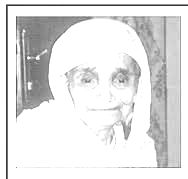
Jamaluddin’s mother publicly demanded accountability for her son’s killing. In media coverage at the time, she called for those she believed responsible to face imprisonment.
She died in 2012 at age 84 without seeing complete closure.
The Unfinished Question
While 14 individuals were sentenced according to High Court reporting, public discussion has continued regarding alleged political involvement and interference.
The case remains cited as a benchmark for whether power can override justice in Bangladesh’s political system.